

Sorry, nothing in cart.
Difference Between Albendazole vs Fenbendazole
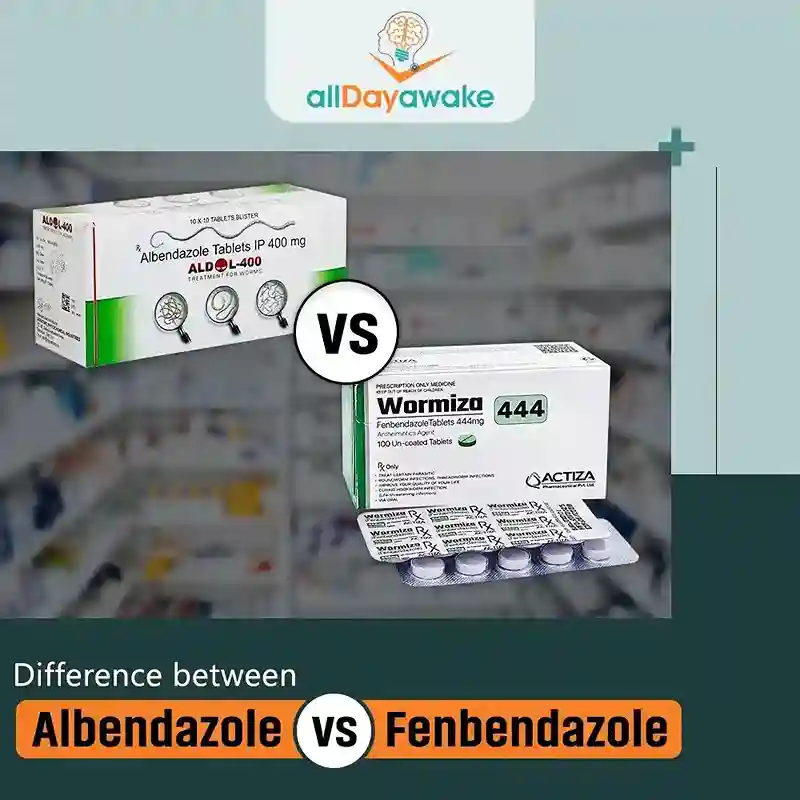
Parasitic Infections are becoming common in the USA. While the contaminating sources could be many, such as close contact with infected individuals, food, undercooked meat, poor sanitation, travel, etc., finding a reliable cure is obvious. Also, these infections can be caused by different worm species. Here comes the requirement of a broad-spectrum solution and the need to understand the difference between Albendazole vs Fenbendazole (the popular dewormers).
What Is Albendazole?
Albendazole is an FDA-approved anthelmintic that treats a wide range of parasitic worm infestations in humans. This medicine is advised for several infections, including hookworms, roundworms, pinworms, hydatid disease, and neurocysticercosis. This anti-worm drug has known efficacy against intestinal and tissue parasites, too.
What Is Fenbendazole?
Fenbendazole is a prescription antiparasitic treatment for adults diagnosed with intestinal worms. It provides comprehensive protection against several parasitic worm species—hookworms, roundworms, pinworms, whipworms, etc. Overall, it can be suggested for addressing internal and external worm infestations. This drug is fast-acting and is mostly advised for short-term use only as prescribed by a healthcare provider.
How do Albendazole and Fenbendazole Work?
Both antiparasitic treatments share many similarities. As we are discussing the difference between Albendazole vs Fenbendazole, here’s an overview:
Albendazole Action Mechanism
This benzimidazole anthelmintic works by blocking the polymerization of tubulin in parasitic worms. Tubulin is the key compound required for microtubule formation, vital for optimal absorption of nutrients and cell division in worms. As this drug inhibits this process, the worms lose their glucose-absorption ability. It ultimately makes their survival difficult, causes death over time, and flushes them out of the system in a few days.
Fenbendazole Action Mechanism
It also works by binding to the tubulin structure of parasites and disrupting the microtubule formation, which starves and kills parasites eventually. Fenbendazole, however, acts in the gastrointestinal tract, which sets it apart from Albendazole, which is metabolized in the liver.
ℹ
IN A NUTSHELL
Albendazole and Fenbendazole both work by starving parasitic worms and causing their death.
Uses of Albendazole and Fenbendazole
Albendazole Uses
The common Albendazole uses are as follows:
- Treatment of gastrointestinal roundworms
- Management of liver flukes in specific infections
- Treatment of giardiasis caused by protozoal infections
- Management of tapeworm infections (cestodes)
Fenbendazole Uses
The common uses of fenbendazole are as follows:
- Roundworm infections
- Hookworm infections
- Whipworm infections
- Pinworm infections

✓
Guidance
Use this medicine only under the prescription and guidance of a qualified physician and avoid self-administration to ensure safety and effectiveness.
Dosage Guidelines
The general dosage guidelines when discussing the difference between Albendazole vs Fenbendazole will give you a better understanding.
- Albendazole Dosage can be advised based on parasite load. The dosage, however, varies according to the age, type, and criticality of infestation, response to current dose, etc. Some patients might notice a difference with a single dose, while others may require doses up to a few days/weeks.
- Fenbendazole Dosage for humans is typically advised for once-daily use for 3 or 5 consecutive days. The treatment could be short or long based on the severity of symptoms. If required, a dosage could be repeated after a few weeks.
Commonly-prescribed Dosage Strengths
ℹ
Note
These dewormers are available in more strengths too, each prescribed as per the symptoms and health conditions of the patients. If required, the physician shall make necessary adjustments during follow-ups.
Difference between Albendazole vs Fenbendazole
Here is the brief difference between Albendazole vs Fenbendazole:
| Feature | Albendazole | Fenbendazole |
| Common Brand & Dosage | Aldol 400 mg | Wormiza 444 mg |
| Systemic penetration | Reaches tissues effectively | Primarily remains in the gut |
| Spectrum of activity | Broad, includes intestinal and tissue parasites | Primarily intestinal parasites |
| Prescription required | Yes | Yes |
⚠
Warning
Don’t attempt any off-label uses of Albendazole or Fenbendazole without medical consultation. If done anyway, your health can be exposed to potential risks.
Benefits of Albendazole and Fenbendazole
Albendazole Benefits:
- Broad-spectrum dewormer
- Safe and well-tolerated when used as prescribed.
- efficient against infestations affecting adults and children
Fenbendazole Benefits:
- Works effectively against several species of parasites and worms
- Widely used among adults
Considering the benefits of the difference between Albendazole vs Fenbendazole, the picture is just getting clearer.
Side Effects
Here are the side effects of both to notice while considering everything else related to the Difference between Albendazole vs Fenbendazole.
Albendazole Side Effects
- Dizziness
- Headache
- Nausea
- Fever
- Stomach pain
- Vomiting
Fenbendazole Side Effects
- Nausea
- Diarrhea
- Headache
- Vomiting
- Abdominal pain
Any serious side effects are rare with both these medications, provided that they are used exactly as per medical guidance.
Safety and Effectiveness
Understanding the Difference between Albendazole vs Fenbendazole from a safety and effectiveness perspective gives you further clarity.
Albendazole has well-established safety in humans. The duration of treatment varies from a few days to several weeks. This anti-parasitic treatment works as expected when used responsibly.
Fenbendazole has recognized safety in adults. It isn’t advised for children at all. The treatment plan can vary between 3 and 5 consecutive days according to the severity of the underlying infection. Also, this anti-worm drug must be handled responsibly according to medical guidance for ensuring safety and maximum efficacy.
Why do people compare Albendazole and Fenbendazole?
The search for “Difference between Albendazole vs Fenbendazole” remains common because both dewormers belong to the same drug class. Their action mechanisms are similar, but they differ in regulatory approval, dosage strengths, and parasite-specific effectiveness.
The difference between Albendazole vs Fenbendazole is that Albendazole is often utilized for a wider range of systemic helminth infections, whereas Fenbendazole is commonly used for intestinal parasite control, though both inhibit microtubule synthesis.
Which one is better: Albendazole vs Fenbendazole?
By the time we have explored the Difference between Albendazole vs Fenbendazole, you’ll wonder – which one is better?
The key factors setting them apart are
- Safety
- Science-backed evidence for antiparasitic effects in humans
✓
Key Takeaway
Both are equally effective benzimidazole anthelmintics. The physician prescribes either of these according to the age, tolerance level, type, and complexity of parasite infection, etc.
Conclusion
After discovering the key difference between Albendazole vs Fenbendazole, you’re pretty much aware of what these anti-worm treatments are, how they work, and when they are prescribed. Despite potency, they are both advised in distinct situations considering the medical health of the user, type and complexity of symptoms, availability, and so on.
When seeking 100% guaranteed-quality Albendazole or Fenbendazole in the USA, you can always count on alldayawake. All you need is a custom treatment plan to get started.
FAQs
Can Albendazole be used in animals?
Veterinary-use formulations of Albendazole are different and should be used only if advised by the Vet. Do not use humanitarian compositions for deworming in animals.
Is Albendazole stronger than Fenbendazole?
Both are potent benzimidazole anthelmintics. Their effects are different according to the infection. For instance, Albendazole shows stronger effects in controlling tapeworms, while Fenbendazole works better for specific resistant strains.
Can they be used together?
Do not combine any dewormers without medical guidance, or else undesirable reactions shall occur.
Which is better for deworming?
Albendazole and Fenbendazole are equally effective, but it is advised to consider the medical requirements and overall health of the patient, availability, and so on. For a better approach, consult your physician.


